
Why Precision Plastic Mold Making Matters in Injection Molding

When it comes to manufacturing high-quality plastic components at scale, few processes are as foundational as injection molding. But behind every flawless plastic part lies a critical, often overlooked step: Plastic Mold Making . At Nubs Plastics Inc we understand that the precision and craftsmanship invested in mold making directly determine the success of every production run that follows. Without a well-engineered mold, even the most advanced injection molding machines cannot produce consistent, defect-free parts.
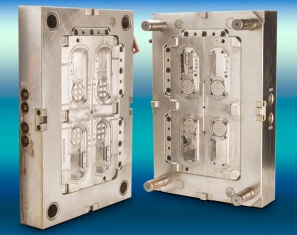
The Foundation of Every Injection Molded Product
Injection molding is often celebrated for its speed and scalability, but the real work happens long before the first shot of molten plastic enters a cavity. Precision plastic mold making is the process of designing and machining the tool that will shape thousands—sometimes millions—of identical parts. Every dimension, surface finish, and cooling channel in that mold has a direct impact on the final product's quality, strength, and appearance.
A poorly made mold can lead to a cascade of problems: warping, sink marks, flash, short shots, and inconsistent wall thickness. These defects aren't just cosmetic issues; they can compromise the structural integrity of a part, leading to costly recalls, rework, or field failures. This is why manufacturers who prioritize precision mold making from the outset save significant time and money down the line.
Why Precision Matters More Than Ever
As industries demand tighter tolerances and more complex geometries, the margin for error in mold making has shrunk dramatically. Automotive components, medical devices, electronics housings, and consumer products all require molds that can hold tolerances measured in microns, not millimeters. A single miscalculation in the mold design phase can result in parts that fail to fit, seal, or function as intended.
Precision plastic mold making also plays a major role in production efficiency. Molds that are engineered with optimal cooling channels reduce cycle times, allowing manufacturers to produce more parts in less time without sacrificing quality. Conversely, molds with poor thermal management can lead to longer cooling periods, increased scrap rates, and higher overall production costs.
Material Selection and Mold Longevity
Another critical aspect of precision mold making is selecting the right tool steel or aluminum for the application. High-volume production runs demand hardened steel molds that can withstand repeated cycles without degrading, while lower-volume or prototype runs might benefit from softer, more cost-effective materials. At Nubs Plastics Inc, our engineering team evaluates production volume, part complexity, and expected mold life before recommending a material and construction approach. This upfront planning ensures that clients get the most durable, cost-effective mold for their specific application.
The Role of Design for Manufacturability (DFM)
Precision mold making isn't just about machining accuracy—it starts with smart design. Design for Manufacturability, or DFM, is a collaborative process where engineers review a part's design before the mold is ever cut. This step identifies potential issues like undercuts, thin walls, or draft angle problems that could complicate the molding process or reduce part quality.
By incorporating DFM principles early, manufacturers avoid costly mold rework after the fact. A mold that's designed correctly the first time reduces lead times, minimizes tooling costs, and ensures a smoother transition from prototype to full-scale production. This proactive approach is a hallmark of experienced mold makers who understand that precision begins on the drawing board, not just on the CNC machine.
Quality Control Throughout the Mold-Making Process
Precision mold making also depends heavily on rigorous quality control at every stage. From initial CAD modeling to CNC machining, EDM (electrical discharge machining), polishing, and final assembly, each step must be inspected and verified against exact specifications. Coordinate measuring machines (CMMs) and other precision inspection tools are used to confirm that every cavity, core, and insert meets the required tolerances before the mold is approved for production.
This level of diligence ensures that when a mold is finally put into service, it performs reliably from the very first shot through the last part of a multi-year production run. Skipping or rushing quality checks during mold making almost always results in expensive problems later, whether that's inconsistent parts, unexpected downtime, or premature mold failure.
Partnering with Experienced Mold Makers
Choosing the right partner for plastic mold making can make or break a manufacturing project. Experience matters—not just in machining capability, but in understanding materials, part design, and the practical realities of high-volume production. Nubs Plastics Inc brings decades of combined expertise to every mold-making project, ensuring that clients receive tooling built for performance, durability, and long-term value.
Conclusion
Precision plastic mold making is far more than a preliminary step in injection molding—it's the backbone of consistent, high-quality manufacturing. From material selection and DFM to rigorous quality control, every decision made during the mold-making process shapes the outcome of the final product. Manufacturers who invest in precision tooling upfront position themselves for fewer defects, faster cycle times, and greater long-term savings. At Nubs Plastics Inc , we're committed to delivering the precision and expertise that today's demanding manufacturing environments require.


Comments